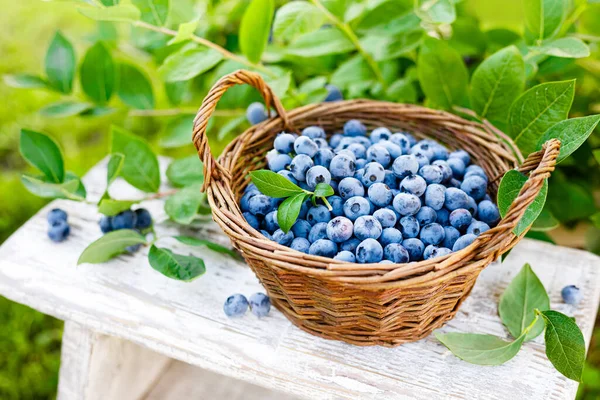
If there were an award for the most impressive nutritional value packed into the smallest package, blueberries would certainly be among the finalists. These tiny blue berries may be small enough to fit in the palm of your hand, but they deliver an extraordinary collection of vitamins, minerals, fiber, and plant compounds that support nearly every system in the body.
As we grow older, our focus should shift away from simply adding years to life and toward adding life to our years. That means protecting our brains, preserving our eyesight, supporting our hearts, maintaining healthy blood sugar, and reducing the effects of chronic inflammation. Blueberries accomplish all of these goals remarkably well.
When I think about foods that truly deserve the title “superfood,” blueberries are always near the top of my list.
What Makes Blueberries So Nutritious?
Blueberries are perhaps best known for their exceptionally high concentration of antioxidants. More specifically, they are rich in a family of plant compounds known as anthocyanins, the pigments responsible for their deep blue and purple color.
These compounds do far more than simply make blueberries attractive. They help protect our cells from oxidative stress, a process that occurs naturally during metabolism but accelerates with poor diet, smoking, pollution, chronic illness, and aging. Over time, oxidative stress contributes to damage within cells and has been linked to many chronic diseases associated with aging.
In addition to anthocyanins, blueberries provide vitamin C, vitamin K, manganese, fiber, and numerous polyphenols that work together to support overall health. Unlike many processed snack foods, blueberries deliver natural sweetness while providing nutrients that nourish the body rather than simply supplying empty calories.
Another important benefit is their fiber content. Fiber helps support digestive health, feeds beneficial bacteria within the gut, slows the absorption of sugar into the bloodstream, and promotes satiety after meals. Many Americans consume only about half of the daily fiber recommended for good health. Blueberries provide a delicious way to begin closing that gap.
Why This Matters After 50
One of the realities of aging is that our bodies become more vulnerable to chronic disease. The risk of cardiovascular disease, cognitive decline, insulin resistance, arthritis, and visual impairment all increase over time. While no single food can prevent these conditions, a diet rich in colorful fruits and vegetables can help create an internal environment that supports healthy aging.
Blueberries have been studied extensively for their potential effects on brain health. Some research suggests that regular consumption of blueberries may support memory, learning, and cognitive performance, possibly due to their anthocyanin content and their effects on blood flow and oxidative stress. Although blueberries are not a cure for dementia or Alzheimer’s disease, they represent one practical dietary choice that may contribute to maintaining cognitive health as part of an overall healthy lifestyle.
Their benefits, however, extend beyond the brain. Blueberries have also been associated with improvements in markers of cardiovascular health, including blood vessel function. Healthy blood vessels deliver oxygen and nutrients to every organ in the body, making cardiovascular health foundational to healthy aging.
Another advantage is their relatively low glycemic impact compared with many processed sweets. Because blueberries contain fiber along with naturally occurring sugars, they generally produce a more gradual rise in blood glucose than sugary snacks or desserts. For adults concerned about insulin resistance or metabolic health, blueberries offer a satisfying way to enjoy something sweet while still supporting healthier eating habits.
From the Functional Medicine Perspective
Functional medicine asks an important question: How can food support the body’s natural ability to maintain balance and resilience?
Blueberries are an excellent example of nutrition working with the body rather than against it. Their anthocyanins and other polyphenols help defend cells against oxidative stress while supporting normal inflammatory balance. Rather than acting like medications, these naturally occurring compounds become part of the body’s ongoing maintenance and repair system.
Blueberries also contribute to a healthy gut microbiome. Many of their polyphenols are metabolized by beneficial intestinal bacteria, producing compounds that may help support the integrity of the intestinal lining and influence communication between the gut and the immune system. From a functional medicine perspective, this relationship between dietary polyphenols and the microbiome highlights the importance of feeding not only ourselves but also the trillions of microorganisms that play a role in digestion, immunity, and overall health.
One of the concepts I frequently discuss is that health is built one meal at a time. Blueberries represent a simple daily investment in your future. Every handful provides your body with compounds that support healthy aging without requiring expensive supplements or complicated nutrition plans.
Fresh, Frozen, or Organic?
One question I hear often is whether fresh blueberries are healthier than frozen blueberries. The good news is that both are excellent choices.
Frozen blueberries are typically harvested at peak ripeness and frozen shortly afterward, helping preserve many of their nutrients. They are often less expensive, available year-round, and perfect for smoothies, oatmeal, or yogurt.
If you have access to locally grown blueberries during the summer months, take advantage of the opportunity. Fresh, locally harvested fruit often has exceptional flavor and of course, supports local farmers.
If organic blueberries fit your grocery budget, they certainly are a reasonable option. But don’t let the lack of organic berries keep you from enjoying blueberries altogether. Eating more fruit is far more important than avoiding it because it isn’t organic.
Dr. Edwards’ Take
One of the biggest lessons I’ve learned throughout my career is that healthy aging rarely comes from dramatic changes. It comes from consistent choices repeated over months and years.
Blueberries are a perfect example. They’re not flashy, they don’t promise miracle cures…they simply provide the body with an incredible collection of nutrients that support health in countless small ways.
When people ask me where to begin, I don’t tell them to search for the newest supplement or the latest nutrition trend. I tell them to fill their shopping cart with foods their grandparents would recognize. Blueberries have been nourishing people for countless generations, and I believe they deserve a place in every kitchen focused on healthy aging.
Small berries…amazing benefits. That’s the kind of nutrition that helps us thrive beyond 50.