I should probably begin this article with a confession. I have never been a big fan of cruciferous vegetables. There. I said it.
I would love to tell you that I eagerly look forward to a heaping plate of steamed broccoli or that Brussels sprouts have always been one of my favorite foods. They haven’t. As a child, I wasn’t hiding extra broccoli under the mashed potatoes because I wanted to save it for later. And if I were building my perfect meal today based entirely on taste and personal preference, cauliflower probably wouldn’t be fighting for a spot on the plate.
But this series isn’t called Dr. Edwards’ Favorite Foods.
It is about foods that I believe deserve serious consideration in a healthy diet, particularly for adults over 50. And when we look at nutrient density, fiber, phytochemicals, digestive health, metabolic health, and the compounds being studied for their role in cellular protection, cruciferous vegetables absolutely deserve a place in the conversation.
I may not be the president of the broccoli fan club, but I respect the vegetable. And sometimes, in nutrition as in life, respect is enough to get someone invited to dinner.
What Are Cruciferous Vegetables?
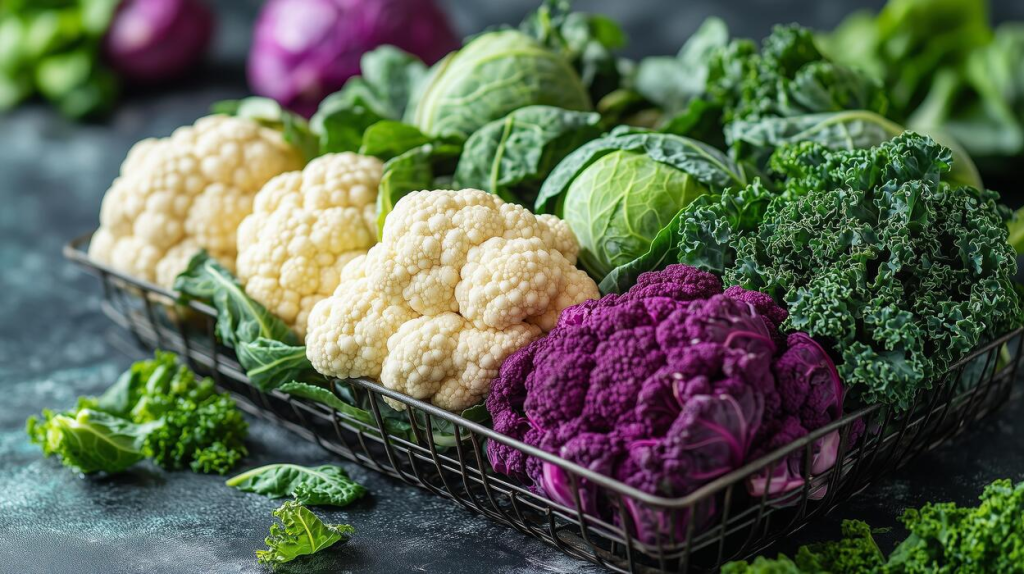
Cruciferous vegetables are a family of vegetables that includes broccoli, cauliflower, Brussels sprouts, cabbage, kale, bok choy, collard greens, turnips, radishes, arugula, watercress, and several others. That is actually good news for people like me; you don’t have to love every member of the family.
Maybe broccoli isn’t your thing, but roasted cauliflower works. Maybe Brussels sprouts bring back unpleasant childhood memories of something gray-green and boiled beyond recognition, but you enjoy cabbage in a crunchy slaw. Maybe kale feels like punishment disguised as a salad, but peppery arugula works perfectly with extra-virgin olive oil and a little lemon.
The goal is not to force yourself to eat a food you hate; the goal is to find an entrance into the family. And this is one family worth getting to know.
Why Do They Matter After 50?
After the age of 50, nutrition needs to become more intentional. That doesn’t mean food should become joyless or that every meal needs to be calculated with the precision of a laboratory experiment. It means we should begin asking more from the foods we eat.
We want foods that provide nutrients without excessive calories. We want fiber, and we want vitamins and minerals. We also want foods that support metabolic health and that help us maintain a healthy digestive system. And we want a diet that supports cardiovascular health, healthy blood sugar regulation, and a more favorable inflammatory environment.
Cruciferous vegetables check an impressive number of those boxes. They provide various combinations of vitamin C, vitamin K, folate, carotenoids, minerals, and fiber. Different vegetables provide different nutrient profiles, which is one reason variety matters.
But what makes cruciferous vegetables particularly interesting goes beyond ordinary vitamins and minerals. Their real nutritional personality comes from a group of compounds called glucosinolates. And this is where the story gets interesting.
Glucosinolates: The Chemistry Behind the Vegetable
If you have ever chopped cabbage, sliced a radish, or cooked Brussels sprouts and noticed that distinctive aroma, you have encountered the chemistry that makes this vegetable family unusual.
Cruciferous vegetables contain glucosinolates, naturally occurring sulfur-containing compounds. When the plant tissue is chopped, chewed, crushed, or otherwise damaged, these compounds can be converted into biologically active substances, including compounds called isothiocyanates and indoles.
One of the best-known examples is sulforaphane, a compound associated particularly with broccoli and broccoli sprouts. Researchers have studied these compounds for their potential effects on cellular defense systems, detoxification enzymes, oxidative stress responses, inflammation, and other biological pathways.
I do want to be careful with the language here. Broccoli is not chemotherapy, cabbage does not prevent every disease, and Brussels sprouts do not make someone bulletproof. Nutrition conversations can become ridiculous when we take an interesting biological mechanism and transform it into a miracle claim.
But the opposite mistake is ignoring food chemistry entirely. The compounds we eat interact with enzymes, receptors, microorganisms, cell membranes, genes, and signaling pathways throughout the body. Cruciferous vegetables are particularly fascinating because they contain compounds that appear to interact with some of the body’s own protective systems.
For adults interested in healthy aging, that makes them worthy of attention.
Fiber: Not Glamorous, but Incredibly Important
Fiber doesn’t get the attention that protein, carbohydrates, and fat receive – it should. Many adults simply do not consume enough fiber, and the consequences reach beyond constipation.
Fiber contributes to bowel regularity and stool formation, but certain fibers also serve as food for beneficial members of the gut microbiome. When gut microorganisms ferment particular fibers, they can produce compounds such as short-chain fatty acids.
These compounds can influence the intestinal environment and interact with the cells lining the colon. This matters because the digestive tract isn’t simply a pipe that carries food from one end of the body to the other – it is an ecosystem.
The intestinal lining interacts constantly with nutrients, microorganisms, immune cells, and microbial metabolites. The relationship between the gut, immune system, metabolism, and overall health is enormously complex and still being studied.
Cruciferous vegetables contribute fiber while also delivering vitamins and phytochemicals. That is a pretty good nutritional bargain, especially when compared with the alternative.
A large portion of the modern food supply is remarkably easy to eat and remarkably poor at feeding the gut. Highly refined foods can deliver large amounts of calories while providing relatively little fiber. The calories arrive, but the fiber doesn’t. Cruciferous vegetables help reverse that equation.
Supporting the Body’s Own Defense Systems
One of the ideas I want to emphasize throughout the Superfood Series is that food should not be viewed as medicine in the simplistic sense that one food cures one disease. I prefer to think of food as part of the biological environment we create inside the body.
The compounds found in cruciferous vegetables appear to interact with some of the pathways involved in cellular defense and antioxidant response. This is different from imagining antioxidants as tiny warriors racing around the bloodstream with swords. The body is much smarter than that.
Certain food compounds may influence signaling pathways that encourage the body’s own protective systems to become more active. That is one of the reasons I find cruciferous vegetables interesting, even if I don’t particularly dream about eating them. They aren’t simply providing nutrients; they may also be interacting with the body’s response systems.
Cruciferous Vegetables and Metabolic Health
Another reason these vegetables belong in a diet for healthy aging is much less exotic. They are filling without being calorically dense, and that is important. As people grow older, maintaining a healthy body composition can become more challenging. Activity may decline. Muscle mass can decrease. Energy expenditure may change. Years of gradual weight gain can eventually become significant.
A cup of vegetables takes up physical space on the plate and in the digestive system without delivering the calorie load of french fries, chips, or other highly processed side dishes. This doesn’t mean I believe everyone over 50 should spend the rest of life eating steamed broccoli and sadness. Far, far from it.
Preparation matters: roast the vegetables, add herbs and spices, use garlic, and add a reasonable amount of extra-virgin olive oil. Experiment with different textures, use cabbage in soups or slaws, add arugula to salads, and try cauliflower roasted rather than boiled. The healthiest vegetable is not the one sitting untouched on your plate while you stare at it with resentment – it is the one you will actually eat.
Bone Health Deserves Attention
Bone health becomes increasingly important as we age. After 50, bone health should not be separated from muscle health. We often think of calcium alone when discussing bones, but skeletal health is much more complicated. Protein intake, vitamin D status, vitamin K, magnesium, hormones, resistance training, weight-bearing activity, smoking status, alcohol intake, medications, and many other factors can influence bone health.
Several cruciferous vegetables, particularly leafy members of the family such as kale and collard greens, provide vitamin K and other nutrients that contribute to normal bone physiology.
This does not mean that eating kale eliminates fracture risk. It does mean that nutrient-dense vegetables can be part of a larger strategy for supporting skeletal health. And I want to emphasize the words larger strategy.
The Thyroid Question
Whenever cruciferous vegetables are discussed, someone eventually raises the thyroid question. Cruciferous vegetables contain compounds that, under certain circumstances, can interfere with aspects of thyroid hormone production, particularly when consumed in very large amounts and when iodine intake is inadequate.
This has led to exaggerated warnings suggesting that people should avoid broccoli, cabbage, kale, and similar vegetables altogether. For most people, eating reasonable portions as part of a varied diet is not a reason to fear cruciferous vegetables. Cooking can also reduce some of the compounds involved.
However, someone with a diagnosed thyroid disorder, iodine deficiency, or a medically prescribed diet should discuss major dietary changes with an appropriate healthcare professional.
Context matters…it always does.
Raw, Steamed, Roasted, or Cooked?
There is no single correct way to eat cruciferous vegetables. Different preparation methods have advantages and disadvantages. Raw vegetables preserve certain compounds well but may be harder for some people to digest. Steaming can be an excellent option. Roasting can transform the flavor and texture of vegetables that many people (myself included) find unpleasant when boiled. Fermented cabbage provides a completely different food experience and introduces another dimension through fermentation. Variety is a sensible approach.
I personally believe preparation is particularly important with this food group because many people have a negative opinion of cruciferous vegetables based on the way they were served during childhood – I completely get this. There is a tremendous difference between Brussels sprouts boiled until they surrender and Brussels sprouts roasted until the edges caramelize. One is a vegetable, the other is an apology.
Dr. Edwards’ Take
I promised myself when I began writing the Superfood Series that I would be truthful…so here it is. Cruciferous vegetables are not my favorite foods; it is difficult to imagine that even in some parallel dimension, they would be. I don’t wake up in the morning excited because there is cauliflower in the refrigerator. If I am sitting at a restaurant and the server tells me that the vegetable of the day is Brussels sprouts, my heart does not fill with joy.
But healthy aging cannot be built entirely around our favorite foods. If it could, my guess is that pizza would have a much larger research department.
The purpose of this series is to look honestly at foods that I believe deserve a place in a healthy diet for people over 50. Cruciferous vegetables make that list easily.
They provide fiber, as well as important vitamins and minerals. They contain unique sulfur-containing compounds that are being studied for their effects on cellular defense pathways. They can help replace highly processed, calorie-dense foods on the plate. And perhaps most importantly, there are enough members of the cruciferous family that most people can find one or two they actually enjoy.
My advice is not to force yourself to choke down a bowl of plain steamed broccoli every night because someone on the internet told you it would make you live forever…it won’t. Instead, experiment – try roasting, or try different seasonings. Add cabbage to soup, or put arugula in a salad. Maybe try bok choy in a stir-fry. Give cauliflower another chance.
And if you discover that you genuinely enjoy Brussels sprouts, congratulations. You are a better person than I am…probably.
The larger lesson is simple: healthy aging is not about perfection; it is about building a dietary pattern that gives the body what it needs more often than it gives the body what it has to recover from.
Cruciferous vegetables deserve a place in that pattern…even if some of us have to be talked into eating them.
Comments
One response
Good info and honesty!! I can NOT eat cauliflower, but I can tolerate an occasional brussel sprout and my go to is steamed broccoli. I use freezer veggies regularly. I am guessing there is benefit in those? I try…
Thx Dr. Gene