For years, dietary fat was one of nutrition’s biggest villains. Grocery store shelves were filled with “fat-free” products, and many people were led to believe that avoiding fat altogether was the key to better health. Unfortunately, while we were eliminating healthy fats from our diets, highly processed carbohydrates and refined sugars quietly took their place.
Today, nutrition science paints a much different picture. We now understand that the type of fat we eat matters far more than simply the amount. Among all dietary fats, one has consistently stood the test of time through decades of research and centuries of traditional use: extra-virgin olive oil.
If I could recommend one cooking oil for nearly every adult over the age of 50, extra-virgin olive oil would be at the top of my list. It is one of the defining features of the Mediterranean diet, a dietary pattern associated with longevity, cardiovascular health, cognitive function, and overall quality of life.
Simply put, extra-virgin olive oil isn’t just another cooking oil; it’s one of nature’s most remarkable functional foods.
What Makes Extra-Virgin Olive Oil So Special?
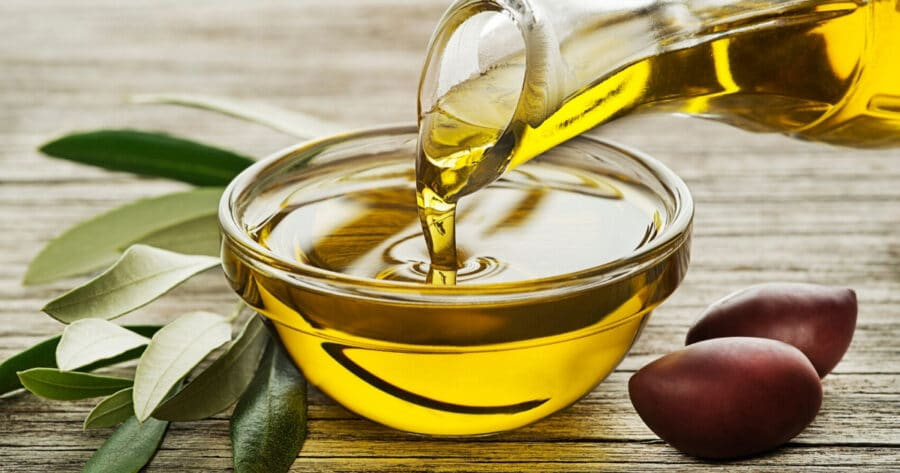
Unlike many refined vegetable oils, extra-virgin olive oil is produced by mechanically pressing fresh olives without excessive heat or chemical solvents. Because it undergoes minimal processing, it retains hundreds of naturally occurring compounds that contribute to both its flavor and its health benefits.
Its primary fat is oleic acid, a monounsaturated fatty acid associated with improved cardiovascular health when it replaces less healthy dietary fats. Monounsaturated fats help provide the body with energy while supporting healthy cell membranes and numerous metabolic functions.
Perhaps even more impressive are the polyphenols in olive oil. These naturally occurring plant compounds, including oleuropein, hydroxytyrosol, and oleocanthal, possess antioxidant properties and have been studied for their ability to support the body’s response to oxidative stress and inflammation.
One fascinating compound, oleocanthal, produces the peppery sensation many people notice in high-quality olive oil. Researchers have found that it exhibits biological activity resembling certain anti-inflammatory mechanisms. This is one example of how whole foods contain naturally occurring compounds that may contribute to long-term health.
Why This Matters After 50
As we age, protecting the heart and brain becomes increasingly important. Blood vessels naturally become less flexible, oxidative stress accumulates over time, and chronic diseases such as heart disease, stroke, and type 2 diabetes become more common. Extra-virgin olive oil supports healthy aging by working on multiple levels rather than targeting just one system.
Studies have associated diets rich in extra-virgin olive oil with healthier cholesterol profiles, improved blood vessel function, and lower rates of cardiovascular disease. It may also help support healthy blood pressure as part of an overall dietary pattern rich in vegetables, fruits, legumes, fish, and whole grains.
Emerging research has also explored its potential role in supporting cognitive health. Maintaining healthy circulation while reducing oxidative stress may be one way dietary patterns such as the Mediterranean diet help preserve cognitive function with age.
Another benefit is its versatility. Replacing highly processed fats with extra-virgin olive oil is one of the simplest nutritional upgrades a person can make. Whether drizzled over vegetables, tossed into a salad, or used to prepare a healthy meal, it transforms ordinary foods into meals that nourish the body rather than simply filling the stomach.
From the Functional Medicine Perspective
Functional medicine asks a simple question: What environment are we creating inside the body?
Every food we eat either contributes to resilience or gradually moves us toward dysfunction. Extra-virgin olive oil helps create an internal environment that supports healthy aging.
Its polyphenols help defend cells against oxidative stress, a natural process associated with aging. They also appear to support healthy endothelial function, helping blood vessels remain flexible and responsive. Healthy blood vessels mean better circulation to every tissue in the body, including the heart, muscles, kidneys, and brain.
From a functional medicine perspective, olive oil also fits beautifully into an anti-inflammatory dietary pattern. Rather than relying on heavily processed foods rich in refined sugars and industrial fats, meals built around vegetables, lean proteins, legumes, nuts, herbs, and extra-virgin olive oil provide the body with nutrients that support normal immune function and metabolic health.
Olive oil also complements the gut microbiome. Research continues to explore how its polyphenols interact with beneficial intestinal bacteria and how those interactions may influence intestinal barrier function and immune signaling. While many questions remain, the evidence points toward extra-virgin olive oil being part of a dietary pattern that supports overall digestive health.
Perhaps most importantly, olive oil reminds us that healthy eating doesn’t have to be complicated. Some of the world’s healthiest populations have relied on simple, minimally processed foods for generations.
Choosing a Quality Olive Oil
Not all olive oils are created equal. Look for bottles labeled “extra-virgin.” Whenever possible, choose oils packaged in dark glass bottles to help protect them from light, and check for a harvest or best-by date to ensure freshness.
A good extra-virgin olive oil should have a fresh, fruity aroma with a slight peppery finish. That peppery sensation often reflects the presence of beneficial polyphenols. Store olive oil in a cool, dark place and avoid exposing it to excessive heat or sunlight for extended periods.
Dr. Edwards’ Take
If I could walk into every American kitchen and make one change, it wouldn’t be to throw away every dessert or ban every favorite comfort food. It would be replacing the bottle of highly refined cooking oil with a bottle of high-quality extra-virgin olive oil.
Throughout my years in healthcare, I’ve learned that people often search for complicated answers to simple problems. They buy expensive supplements, chase the latest nutrition trend, and look for miracle solutions, while overlooking the foods that have supported healthy populations for centuries.
Extra-virgin olive oil is one of those timeless foods. It’s not flashy. It isn’t marketed as a miracle. It doesn’t promise an overnight transformation. Instead, it quietly does what the best foods have always done: it nourishes the body, supports healthy aging, and becomes part of a lifestyle that promotes strength, vitality, and independence.
Healthy aging isn’t built by one dramatic decision. It’s built by thousands of small choices repeated over a lifetime. Choosing extra-virgin olive oil is one of those choices.