When people think about healthy eating, they often focus on cutting things out. Less sugar, less processed food…less soda. While those changes certainly matter, one of the best strategies for improving your health is simply adding more nutrient-dense foods to your plate. And few foods deserve the title of “superfood” more than wild salmon.
As a functional medicine practitioner, I often tell people that aging well isn’t just about avoiding disease; it’s about preserving what makes life enjoyable. It’s about keeping your muscles strong enough to hike with your grandchildren. It’s about maintaining a sharp memory. It’s about reducing chronic inflammation so your joints don’t ache every time you stand up. It’s about giving your body the building blocks it needs to repair itself every single day.
Wild salmon does all of those things remarkably well.
More Than Just Protein
Many people think of salmon as simply another source of protein. And while it certainly provides excellent protein, that’s only part of the story. A six-ounce serving of wild salmon contains roughly 35 to 40 grams of complete protein. Unlike many plant proteins, salmon provides every essential amino acid your body needs for muscle repair, immune function, hormone production, and tissue maintenance.
After age 50, maintaining muscle becomes increasingly important. Adults naturally lose muscle mass each decade through a process known as sarcopenia. This loss contributes to weakness, falls, slower metabolism, and reduced independence. Eating adequate high-quality protein, especially combined with resistance exercise, is one of the most effective ways to slow or even reverse this process.
Wild salmon provides exactly the kind of protein aging muscles need.
Nature’s Best Source of Omega-3 Fatty Acids
If there is one reason salmon has earned superstar status, it’s the omega-3 fats. Unlike many fats that promote inflammation, omega-3 fatty acids actually help regulate and calm inflammatory pathways throughout the body.
The two primary omega-3 fats found in salmon are EPA (eicosapentaenoic acid) and DHA (docosahexaenoic acid). These healthy fats influence nearly every organ system.
They support:
- Heart health
- Brain function
- Eye health
- Joint mobility
- Healthy blood vessels
- Immune regulation
- Mood
- Cognitive performance
Many chronic diseases associated with aging involve excessive inflammation – arthritis, heart disease, diabetes, Alzheimer’s disease, and even certain cancers all have inflammatory components. While omega-3s aren’t a cure-all, they help create an internal environment that’s less inflammatory and more supportive of healing.
Feeding the Brain
Your brain is nearly 60 percent fat…and much of that fat consists of DHA. In fact, DHA is literally incorporated into brain cell membranes, where it improves communication between neurons.
Studies have associated higher omega-3 intake with:
- Better memory
- Improved concentration
- Slower cognitive decline
- Lower risk of dementia
- Better mood
- Reduced symptoms of depression
As we age, preserving brain function becomes one of our highest priorities. Wild salmon provides nutrients that your brain can immediately put to work.
A Friend to Your Heart
Heart disease remains the leading cause of death in America. Fortunately, salmon works on several fronts to protect cardiovascular health. Regular consumption has been associated with:
-Lower triglycerides.
-Improved HDL (“good”) cholesterol.
-Healthier blood pressure.
-Reduced inflammation within blood vessels.
-Improved flexibility of arteries.
-Lower risk of abnormal heart rhythms.
Rather than simply lowering cholesterol, omega-3 fats improve the overall health and function of the cardiovascular system…that’s a much more meaningful goal.
Fighting Chronic Inflammation
Inflammation is a normal part of healing; the problem occurs when inflammation never turns off. Chronic, low-grade inflammation quietly damages tissues for years before symptoms appear. Many people don’t realize that poor diet, excess body fat, lack of sleep, chronic stress, smoking, and inactivity all contribute to this ongoing inflammatory state.
The omega-3 fats in salmon help produce compounds called resolvins and protectins – molecules that help bring inflammation to an end rather than allowing it to continue unchecked. This is one reason people who eat fatty fish regularly often report improvements in joint stiffness and overall mobility.
Vitamin D From Food
Vitamin D deficiency is surprisingly common. Although sunlight is our primary source, many adults spend most of their day indoors or use sunscreen that limits vitamin D production. Wild salmon is one of the few natural food sources of vitamin D.
Vitamin D plays critical roles in:
- Bone health
- Muscle function
- Immune regulation
- Hormone balance
- Mood
- Fall prevention
While some individuals still require supplementation, regularly eating salmon helps support healthy vitamin D levels naturally.
Selenium: The Quiet Protector
Salmon is also rich in selenium, a trace mineral many people overlook. Selenium helps:
- Support thyroid function
- Protect cells from oxidative stress
- Strengthen immune function
- Assist DNA repair
- Produce important antioxidant enzymes
The thyroid relies heavily on selenium to function properly. Without adequate selenium, thyroid hormone metabolism becomes less efficient.
Astaxanthin: Salmon’s Secret Weapon
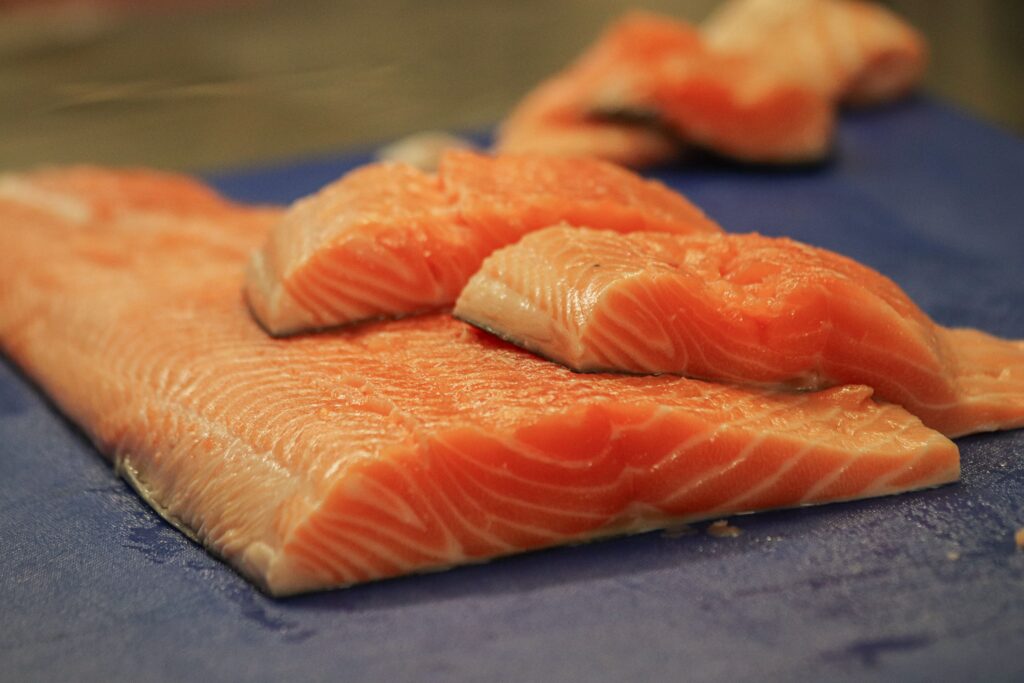
Wild salmon owes its beautiful pink-orange color to astaxanthin. Astaxanthin is one of nature’s most powerful antioxidants. It helps protect cells against oxidative damage while reducing inflammation throughout the body.
Some research suggests astaxanthin may also support:
- Skin health
- Exercise recovery
- Eye health
- Brain protection
- Cardiovascular health
Unlike artificial food coloring, this pigment represents one of the healthiest compounds found in nature.
Wild vs. Farm-Raised
Whenever possible, I recommend choosing wild-caught salmon. Of course, farm-raised salmon can still be an exceptionally nutritious choice, especially when it replaces processed meats or fast food, but wild salmon often provides a superior nutritional profile with higher concentrations of omega-3 fats.
Canned wild salmon is also an excellent, affordable option that retains nearly all of its nutritional benefits.
My Functional Medicine Perspective
One of the things I appreciate most about functional medicine is that it encourages us to ask different questions. Instead of only asking, “What disease does this person have?” we also ask, “What does this person’s body need in order to function better?”
Wild salmon answers that question in remarkable fashion. It provides the protein needed to preserve muscle, the omega-3 fats needed to calm inflammation, the DHA needed to nourish the brain, vitamin D to support immunity and bones, selenium for thyroid health, and astaxanthin to help defend against oxidative stress. It doesn’t rely on flashy marketing or miracle claims; it simply delivers an extraordinary combination of nutrients in one whole, minimally processed food.
For many people over 50, adding salmon to the menu once or twice a week may be one of the simplest changes they can make, with benefits that ripple through nearly every aspect of health.
Dr. Edwards’ Take
One of the biggest misconceptions I encounter is that healthy eating has to be complicated – it doesn’t. Sometimes the most powerful health interventions are found in the seafood aisle, not the supplement aisle.
If I could encourage every adult over 50 to make just one dietary upgrade, it would be to replace one or two meals each week that normally include processed meat, fast food, or fried foods with a serving of wild salmon and vegetables. It’s a small habit that compounds over time. Every bite provides your body with nutrients it can use immediately to build muscle, protect your heart, sharpen your mind, and reduce inflammation.
Healthy aging isn’t about finding a miracle food. It’s about consistently choosing foods that work with your biology instead of against it. Wild salmon is one of the best examples of that philosophy, which is why it has earned a permanent place on my own plate and in the Thrive Beyond 50 Superfoods Series.
Comments
One response
I love salmon… sounds like I need more of it to be able to go hiking with my granddaughters!
Thanks Dr Gene, this one is my fav to date!